
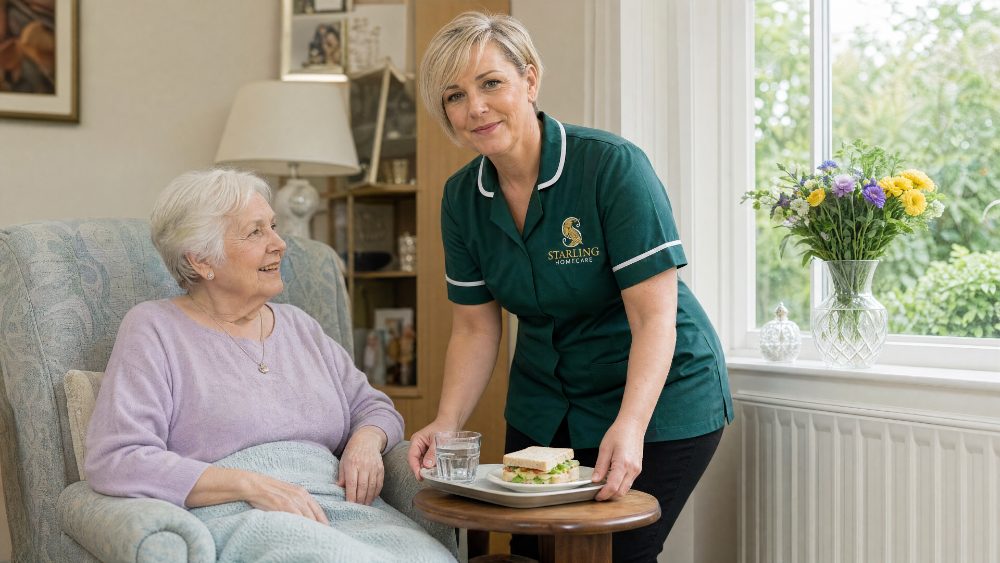
The new St Albans City Hospital surgical centre opened on 22 October 2026, and the hospital trust aims to get patients home within 24 hours of their operation. So the part families most need to plan is the first day and night at home, then the week that follows, ideally before the operation date arrives.
To talk anything through with someone local, our St Albans team is on 01727 324 127.
What has opened at St Albans City Hospital?
West Hertfordshire Teaching Hospitals NHS Trust announced the new surgical centre on 23 October 2026, the day after St Albans MP Daisy Cooper opened it. The St Albans City Hospital surgical centre adds four new theatres, bringing the hospital to eight in total.
The trust expects around 2,300 extra operations each year. The theatres will be used for urology, breast surgery, and ear, nose and throat operations. The centre is part of a £100m upgrade of the hospital site.
The trust also says planned operations here are ring-fenced, with unplanned operations managed at Watford General. For families, a date that holds is a date you can plan around.
Why plan for home before the operation?
Because most patients are expected home within a day, there is very little time on the ward to sort things out. It helps to have answered three questions beforehand. Who collects? Who stays the first night? Who checks in on days two and three?
For a fuller look at what the ward needs to know about home before discharge, see our guide to post-operative care in St Albans.
What does the first 24 hours at home look like?
West Herts has a discharge leaflet for planned surgery at St Albans. It says the person must go home and rest. It also explains that anaesthetic and sedation can affect judgement, coordination and memory for 24 hours.
During that time, the leaflet advises against driving, using a cooker, signing legal documents, taking sleeping tablets or drinking alcohol. Your parent's own ward may add to this, so their instructions always come first.
That list matters. If your parent lives alone, someone else needs to make the meals. Also, because memory can be affected, keep written instructions somewhere obvious, such as by the kettle.
A simple checklist for the first night
- Someone to collect them and settle them in.
- Meals and drinks ready that do not need the hob.
- Take-home medicines and the ward's instructions kept together.
- A charged phone within reach of the bed or chair.
- A clear, well lit route from the bed to the bathroom.
Days two and three: the wound, pain and tiredness
The same leaflet says to keep the wound dry for 24 to 48 hours unless told otherwise. Take-home pain relief should be taken as the box or bottle states, and never above the stated dose.
It also lists signs of a possible wound infection: redness or heat around the wound, pain, swelling, discharge or a fever. If any of these appear, the leaflet says to contact the GP urgently or ring NHS 111.
Families are often surprised by how tired someone is after even a short operation. So days two and three are a good time for a visit and a hot meal. A phone call helps, but it can miss what a visit would notice.
Home from the St Albans City Hospital surgical centre: who should be around in the first week?
Not everyone needs paid help after a planned operation. A partner at home, or a family rota for the first few days, may be enough. However, it is worth thinking again if your parent lives alone, if the family works full time, or if the ward has advised against lifting or bending for a while.
In those situations, short visits each morning and evening can cover washing, dressing, meals and a medication prompt. For example, whether home is in Marshalswick, Sandridge or the city centre, two short visits a day can fill the gaps between family visits. Some families also want someone there for the first nights, which is where overnight care in St Albans can help.
We describe the wider options in our page on care and support at home after a hospital stay.
Questions to ask before leaving the ward
- When can the wound get wet, and when can they shower?
- Are there stitches to come out, and who does that?
- Do they need to wear stockings, and for how long?
- Will there be a follow-up appointment, and how will we hear about it?
The leaflet says any planned outpatient appointment will come by letter. If it does not arrive, phone the ward.
Frequently asked questions
Which operations take place at the new surgical centre?
The trust says the four new theatres will be used for urology, breast surgery, and ear, nose and throat operations. The appointment letter will confirm where your parent's own operation takes place.
Can my parent get a taxi home on their own?
Ask the pre-operative team well before the day. The leaflet says the person must go home and rest and must not drive for 24 hours. Whether someone needs to travel with them, or stay overnight, is a question the ward can answer for their particular operation.
What if the wound looks red or swollen a few days later?
Redness, heat, swelling, pain, discharge or a fever can be signs of infection. The trust's advice is to contact the GP urgently or ring NHS 111. Note when the change started, so you can describe it clearly.
Is a few days of help enough, or will we need weeks?
It depends on the operation and on how your parent was managing beforehand. Many families set up help for the first week, then reduce it as recovery goes. Agreeing a review date at the start keeps the plan matched to what is actually needed.
How Starling Homecare can help
Starling Homecare is an independent, family run provider based in St Albans and registered with the Care Quality Commission. After a planned operation, we can provide visits from 30 minutes upwards, overnight care, personal care and medication prompting, arranged around the date the hospital gives you. You can read more about our home care in St Albans, or ring the local team to talk through the first week.
Figures and guidance checked on 25 October 2026 against West Hertfordshire Teaching Hospitals NHS Trust and its elective surgery discharge leaflet.
Arranging Care Is Simple
Starting care can feel like a big step. We keep it calm and straightforward, and we are here to guide you from your very first call.
1. Talk to us
Get in touch by phone or request a callback. We will listen, answer your questions and help you understand the options, so you can decide what feels right in your own time.
2. A home visit and initial consultation
We arrange a visit to understand your routines, your home and what matters most to you. Together we agree an initial consultation and shape the support that feels right.
3. Your care begins
A small, familiar team starts your care, arriving at the agreed times and staying involved as your needs change. We remain your trusted adviser throughout.
Whenever you are ready, we are here to help.