
Arranging Care With Power of Attorney
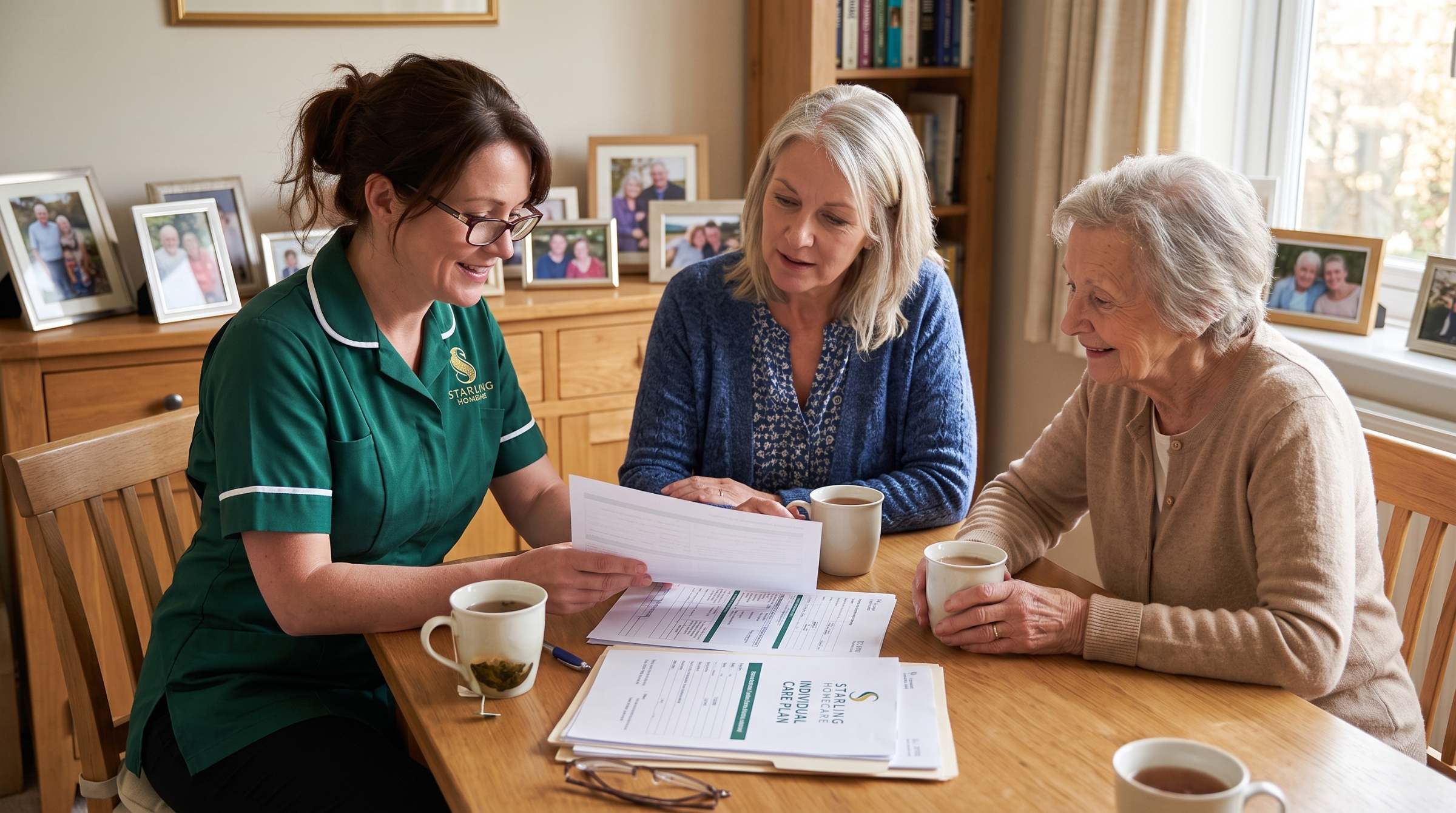
Making care decisions for someone else, without second-guessing yourself
Most people become an attorney long before they ever have to use it. Then something changes, a fall, a diagnosis, a hospital discharge, and suddenly you are the one deciding what happens next for your mum, your dad or your husband. It is a strange position to be in: responsible for someone else’s life, and often unsure what you are actually allowed to decide.
This page sets out what an attorney or deputy can decide about care, how arranging home care works when you hold that authority, and how we support the families and professionals who do. We arrange regulated care at home across St Albans, Harpenden, Hemel Hempstead and Welwyn Hatfield, with live-in care across Hertfordshire.
What Your Authority Actually Covers
There are two lasting powers of attorney and they do different jobs. A health and welfare LPA covers daily routine such as washing, dressing and eating, medical care, moving into a care home, and life-sustaining treatment, and it can only be used once the person is unable to make their own decisions. A property and financial affairs LPA covers money and property, and can be used as soon as it is registered, with the donor’s permission, while they still have capacity.

Why Both Often Matter When Arranging Care
An attorney under a financial LPA cannot make decisions about health or care, and a health and welfare attorney cannot make decisions about money or property, unless the same person has been appointed under both. In practice most families arranging home care need the two working together: one to agree the care itself, one to pay for it.
If There Is No LPA In Place
If capacity was lost before an LPA was made, the route is an application to the Court of Protection to become a deputy. Property and financial affairs deputies can manage bank accounts, pay bills, deal with property and buy services. Personal welfare deputies can decide where someone lives and the day-to-day care they receive, though the court will usually only appoint one where there is doubt that decisions would otherwise be made in the person’s best interests. Deputyship carries more oversight than an LPA: deputies must keep clear records and file an annual report to the court explaining their decisions. That is worth knowing when choosing a provider, because you will need invoices and records that stand up to that report. Applications also take months, and care needs rarely wait, so we will talk through what can start now and what has to wait.


How Arranging Care Works When You Hold Authority:
- A conversation and an assessment at home, with the person themselves involved as fully as they are able
- A written care plan you approve before anything begins
- Clear written costs up front, with no hidden fees
- A small, consistent team so your relative is not meeting new faces
- Itemised, dated invoices that go straight into your records
- Regular reviews, with any change agreed with you first
- Honest feedback if we think a plan is no longer meeting someone’s needs
We should be clear about what we do not do. We do not assess mental capacity and we do not make best interests decisions. Those belong to you, to clinicians and to the Court. Our job is to deliver the care that follows from your decision.
For Case Managers, Deputies and Solicitors
If you are arranging care for a client rather than a relative, we have a separate page that sets out what we are registered for, how we staff and supervise a named team around one client, how we report, and how invoicing works for Court of Protection accounts.
Read home care for case managers, deputies and solicitors, or go straight to the professional referral form.
Power of Attorney and Care FAQs
Can I arrange home care using a power of attorney?
Yes, if you hold a health and welfare LPA and the person can no longer make the decision themselves. A financial LPA lets you pay for care but not decide on it, so where the two are held by different people we will need both involved.
Can care start before a deputyship order comes through?
Often yes, depending on the circumstances and how care will be paid for in the meantime. We will talk it through honestly rather than promise something that will not hold.
Do you need to see the LPA or deputyship order?
Yes. We ask to see the registered document so we know who can agree the care plan and who handles the account, and so we respect any restrictions or conditions set out in it.
What if my relative disagrees with the care being arranged?
We work with the person first and raise it with you rather than press on regardless. Where there is a genuine dispute about capacity or best interests, that needs the right professional advice, and we will say so.
Do you work with professional deputies and case managers?
Yes. We take referrals from case managers, professional deputies and solicitors, work to your care plan, and can recruit and supervise a dedicated team around one client.
Where can I get independent advice?
The Office of the Public Guardian on 0300 456 0300, and the guidance on gov.uk, are the right starting points. This page is general information, not legal advice.
Which areas do you cover?
Visiting care across St Albans, Harpenden, Hemel Hempstead and Welwyn Hatfield, and live-in care across the whole of Hertfordshire.
Do we have to commit long term?
No. There are no long-term or fixed-term contracts, and every package carries our 90-day risk-free guarantee: you can cancel at any time.
How to Get Started
- Think about what type of help would make life easier
- Check if you or your loved one might be eligible for support
- Speak with us. We can guide you through options and next steps
Arranging Care Is Simple
Starting care can feel like a big step. We keep it calm and straightforward, and we are here from your very first call to help you explore what might feel right, whether that is with us or simply pointing you in the right direction.
1. Talk to us
Get in touch by phone or request a callback. We will listen, answer your questions and help you understand the options, so you can decide in your own time.
2. A home visit and initial consultation
We arrange a visit to understand your routines, your home and what matters most to you. Together we agree an initial consultation and shape the support that feels right.
3. Your care begins
A small, familiar team starts your care, arriving at the agreed times and staying involved as your needs change. We remain your trusted adviser throughout.
Whenever you are ready, we are here to help.

Deciding for someone else is a responsibility nobody asks for. The right support at home makes it lighter, and keeps the decisions where they belong, with you. If you are arranging care for someone else, we are here to talk it through. Call us or complete our enquiry form. We would be glad to help.
Information on this page was checked on 17 August 2026. For independent guidance on powers of attorney and deputyship, GOV.UK and the Office of the Public Guardian on 0300 456 0300 are the right place to start. This page is general information, not legal advice.