
Diabetes Support at Home

Keeping the routine steady, every day
If you or someone in your family is living with diabetes and finding the daily routine harder to keep up, we can arrange regulated diabetes care at home across St Albans, Harpenden, Hemel Hempstead, Welwyn Hatfield, Potters Bar (including Cuffley) and Cheshunt, with live-in care available across the whole of Hertfordshire. Diabetes is managed well when meals, medication and monitoring happen reliably, at the right times, day after day. That is exactly the kind of steady, practical support a small, familiar team of carers can provide, working alongside your GP and diabetes nurse rather than instead of them.
Written by the Starling Homecare leadership team and reviewed by Rupen Faldu, Managing Director and the provider’s nominated individual. Clinical scope as stated on this page is checked against our CQC registration and insurance before publication. Last reviewed 24 October 2026; next review by April 2027. Sources are listed at the end of this page.
Why Home Matters with Diabetes
Diabetes is a condition of routine, and routine lives at home. The kitchen, the medication cupboard, the timing of breakfast and the evening meal are all part of how the condition is kept under control. Care at home keeps that routine in the place it was built, with carers who learn it and keep it going on the days when energy or memory are low.

Care Built Around Meals, Medication and Monitoring
Before care begins we understand how your diabetes is managed: whether it is type 1 or type 2, what medication you take and when, how you check your blood glucose, what your diabetes team has advised about food, and what the warning signs look like for you. The care plan records it so every carer who visits knows what a normal day looks like, what to prepare for a meal, when to prompt medication, and what to do if you seem unwell.
A Watchful Eye, Not a Clinical One
Our carers are not nurses and we do not provide nursing care. What they do well is notice. A carer who sees you most days knows when you are more tired than usual, when a meal has been skipped, when a wound on the foot is not healing, when you seem confused or shaky. They act on it, by making sure you eat, by following the plan agreed with your diabetes team, and by contacting the GP or the family promptly. That everyday attention is often what keeps a small problem from becoming a hospital admission.

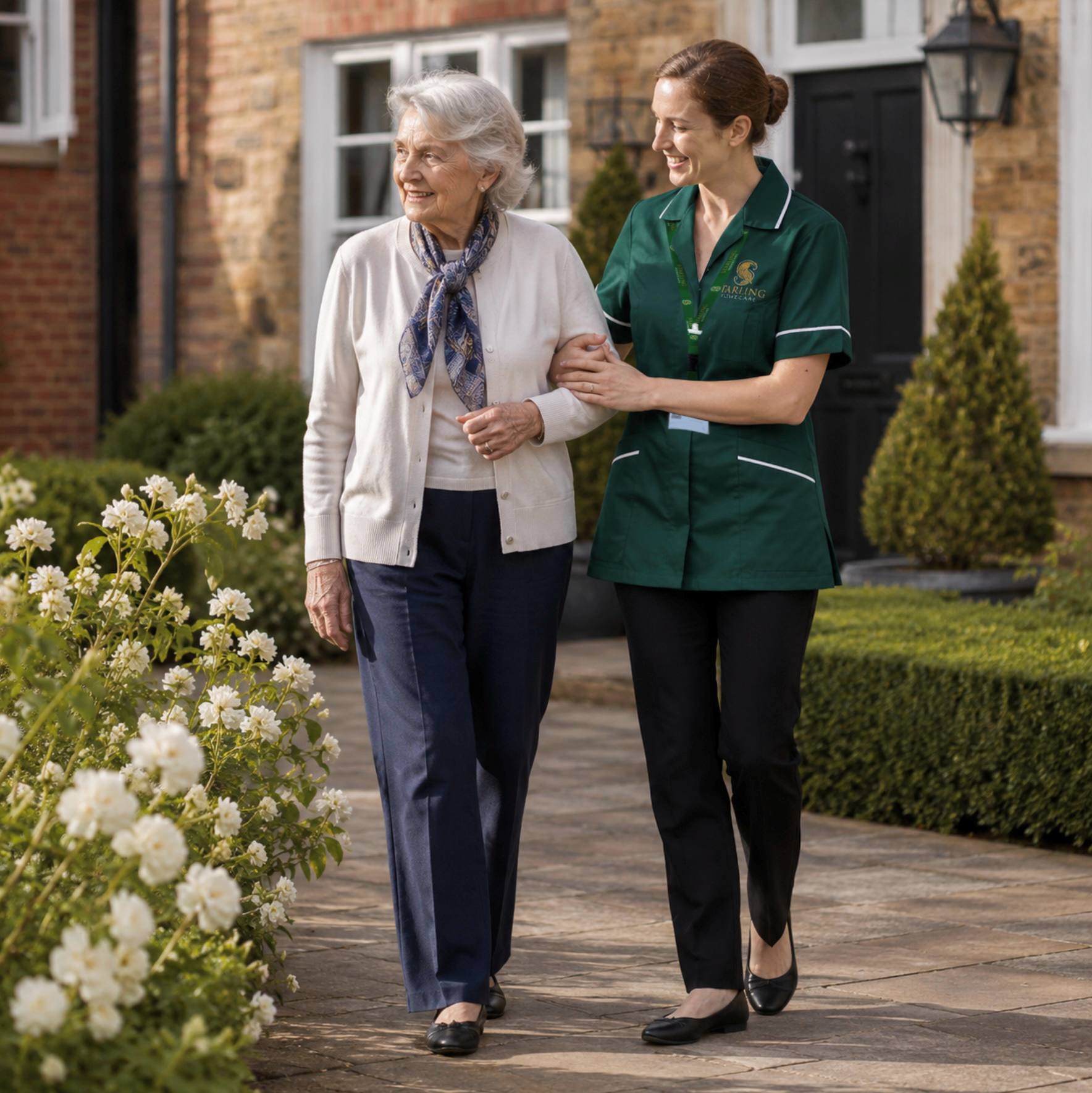
Diabetes Support at Home May Include:
- Preparing regular, balanced meals in line with the advice from your diabetes team
- Prompting and supporting medication at the agreed times
- Supporting you to do your own blood glucose checks and recording the readings
- Helping you keep to your own insulin routine, where that is already established
- Daily foot and skin checks, and help with footwear and hygiene
- Encouraging hydration and gentle activity
- Noticing and responding to signs of low or high blood sugar as set out in your plan
- Accompanying you to diabetes clinic, eye screening and podiatry appointments
Support That Fits the Level of Need
When help is occasional
A few visits a week for meal preparation, a medication check and a look at how you are doing, which is often enough to keep the routine from slipping.
When help is regular
Daily visits timed around meals and medication, with the same small team who know your routine and your warning signs.
When needs are greater
Longer visits, overnight support or full live-in care, planned with your family and, with your consent, alongside your diabetes team.
Working alongside the NHS
Diagnosis, treatment, insulin dosing decisions, injections and clinical monitoring sit with your GP, your practice or community diabetes nurse and the hospital team. We do not give injections. Our role is the everyday care at home that makes their plan work: the meals, the prompts, the checks and the early warning. Where diabetes has affected sight or feet, our sight loss care and falls prevention pages explain how we support those too.
If you are arranging diabetes care on someone else’s behalf as a case manager, deputy or solicitor, our page for case managers, deputies and solicitors covers our registration, reporting and referral route.
Arranging Diabetes Care at Home: Your Questions
How much does diabetes care at home cost?
Care visits start from 30 minutes, from £34, with no hidden fees, and every family receives a written quote before anything begins. Regulated home care is VAT exempt.
Can carers give insulin injections?
No. We do not give injections. Where someone already manages their own insulin, carers can prompt, support the routine and make sure it is done at the right time, and where a person cannot manage it themselves, the district nursing team provides that part of the care. We work alongside them.
Can carers check blood glucose?
Carers support you to do your own checks and keep a clear record of the readings for you and your diabetes team. What the readings mean and any change to treatment is for your GP or diabetes nurse, and we pass on anything outside the range they have set.
What do carers do if blood sugar is too low or too high?
They follow the plan agreed with you and your diabetes team before care starts, which usually means a quick-acting sugar for a low, making sure you eat, and calling for help if you do not improve. Every carer in your team knows the plan and the signs to look for.
Can you help with food and meal planning?
Yes. Carers prepare regular, balanced meals in line with what your diabetes team has advised, shop for the right ingredients, and make sure meals are not skipped. We do not set diets; we follow the one you have been given.
Why do carers check feet?
Diabetes can reduce feeling and blood flow in the feet, so a small cut or blister can become serious without being noticed. A daily look at the feet, good footwear and prompt reporting of any change is one of the most useful things a carer can do.
How quickly can diabetes care start?
Care can often be in place within a couple of working days, depending on availability and on matching you with a suitable carer. We will give you a realistic timescale when you contact us.
Do we have to commit long term?
No. There are no long-term or fixed-term contracts, and every package carries our 90-day risk-free guarantee: you can cancel at any time.
Diabetes and Support in Hertfordshire
Who manages my diabetes if I have care at home?
Your GP, practice nurse or diabetes nurse and the hospital team, exactly as before. Care at home does not replace them. It makes their plan easier to follow at home and gives them a reliable record of how things are going day to day.
Do you cover the whole of Hertfordshire for diabetes care?
In practice, we arrange visiting care at home in St Albans, Harpenden, Hemel Hempstead, Welwyn Hatfield, Potters Bar (including Cuffley) and Cheshunt, and the villages around them. In addition, live-in care is available across the whole of Hertfordshire.
Can carers take me to eye screening and podiatry appointments?
Yes. Regular eye screening and foot care are part of living well with diabetes, and a carer can accompany you, help with the journey and make sure nothing said at the appointment is lost.
Can you support someone with diabetes and dementia?
Yes. The combination is common and it makes the routine harder to keep, because meals and medication depend on memory. Carers provide the structure, timing and prompting that memory no longer can. Our dementia care page explains our approach.
Living With Diabetes at Home
Can someone with diabetes live alone with care at home?
Very often, yes. With visits timed around meals and medication, a clear plan for a low or a high, and someone who notices when things change, many people manage well at home for years.
How is diabetes care at home funded?
Many families fund care privately. Council support may be available following a care needs assessment and a financial assessment from Hertfordshire County Council, and Direct Payments can be used to pay for care where someone is eligible. Attendance Allowance may also apply for people over State Pension age. Our care funding guide sets out the options.
Will carers help me stay active?
Yes. Gentle, regular activity helps with blood sugar, weight and mood, and a short daily walk with a carer is often the easiest way to make it happen. We follow any advice your diabetes team has given about exercise.
What will the carer know before the first visit?
We write the care plan with you before care starts. It records your type of diabetes, your medication and timings, how you monitor, the food advice you have been given, your warning signs and the agreed response to a low or a high. The carers who visit work from that plan.
How to Get Started
- Think about what type of help would make life easier
- Check if you or your loved one might be eligible for support
- Speak with us. We can guide you through options and next steps
Arranging Diabetes Care Is Simple
Starting care can feel like a big step. We keep it calm and straightforward, and we are here from your very first call to help you explore what might feel right, whether that is with us or simply pointing you in the right direction.
1. Talk to us
Get in touch by phone or request a callback. We will listen, answer your questions and help you understand the options, so you can decide in your own time.
2. A home visit and initial consultation
We arrange a visit to understand your routines, your home and what matters most to you. Together we agree an initial consultation and shape the support that feels right.
3. Your care begins
A small, familiar team starts your care, arriving at the agreed times and staying involved as your needs change. We remain your trusted adviser throughout.
Whenever you are ready, we are here to help.

Diabetes is managed one ordinary day at a time. The right support at home keeps those ordinary days steady. If you are exploring diabetes care, we are here to talk it through. Call us or complete our enquiry form. We would be glad to help.
Information on this page was checked on 24 October 2026. For the latest information and support on living with diabetes, Diabetes UK is the right place to start.
Related reading on diabetes care
- Medication Management and Support
- Care at Home for Sight Loss
- Falls Prevention at Home
- Domestic Support and Housekeeping
- Care Funding Guide
- Who Does What in Home Care
Sources
- Type 2 diabetes, NHS, accessed 24 October 2026.
- Low blood sugar (hypoglycaemia), NHS, accessed 24 October 2026.
- NICE guideline NG28, Type 2 diabetes in adults: management, accessed 24 October 2026.
- NICE guideline NG17, Type 1 diabetes in adults: diagnosis and management, accessed 24 October 2026.
- NICE guideline NG67, Managing medicines for adults receiving social care in the community, accessed 24 October 2026.
- Regulation 12, safe care and treatment, legislation.gov.uk, accessed 24 October 2026.
- Registration evidence for the statements about Starling Homecare on this page: our CQC registration record, accessed 24 October 2026.