
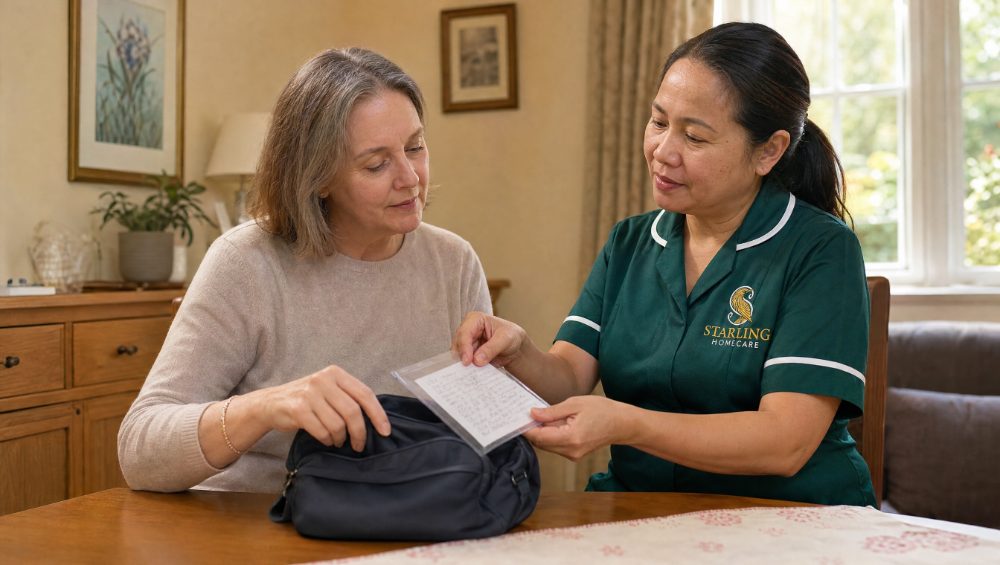
For a hospital stay with FND, take the person's usual medicines, a short written summary of the diagnosis and what helps, and any symptom or seizure plan from their neurology team. Then tell ward staff early that they have functional neurological disorder, what their symptoms look like and what care they have at home. That preparation makes an FND hospital stay calmer for everyone, and it makes the journey home easier to plan.
To talk anything through with someone local, our St Albans team is on 01727 324 127.
This article is part of our guide to FND care at home.
Why does preparation matter so much with FND?
Ward staff meet many conditions. Professor Jon Stone's neurosymptoms.org page on relapses notes that people with FND still experience stigma in hospitals. So a clear, calm explanation from the family can make a real difference.
Also, the admission may not be about FND at all. It might be an operation, an infection or a fall. Being ill or tired is one of the things neurosymptoms.org suggests checking when symptoms flare. So staff need to know what is usual for this person. Our FND care at home page explains how day to day support works around these ups and downs.
What should you take for an FND hospital stay?
The practical list is short. The West Hertfordshire hospitals, which run Watford General, Hemel Hempstead and St Albans City hospitals, ask patients to bring any medications, including creams. Their leaflet also suggests spare clothes and a phone charger.
- All their medicines, including creams. Mention any dosset box or blister pack too.
- Glasses, hearing aids and walking aids the person uses every day.
- A one page summary of the diagnosis and what helps (see below).
- Any written plan from the neurology team, such as a seizure or flare-up plan.
- Key documents, such as a ReSPECT form or Lasting Power of Attorney, if they exist.
What goes on the one page summary?
Keep it to one side of paper, so a busy nurse can read it quickly. Include the diagnosis and who made it, the main symptoms, and what an episode usually looks like. Then add what helps, what makes things worse, and who to contact in the neurology team. Finally, list the care and support the person has at home.
This echoes NHS advice on functional seizures. The NHS Greater Glasgow and Clyde guidance on dissociative seizures suggests carrying information about the seizures and how they are managed, so paramedics or others can refer to it. Our guide to writing a functional seizure plan can form the heart of it.
What should you tell ward staff?
Tell them early, ideally on arrival or at the first handover. The West Hertfordshire admission and discharge leaflet asks patients to share several things as soon as possible:
- whether they already have a package of care at home
- any special medication needs
- whether a family member or friend supports them
- whether they are an unpaid carer for someone else
- any safety concerns about going home
For FND, add a description of the symptoms in plain words. For example, "Her legs can suddenly stop working when she is exhausted, and it passes with rest." Concrete detail helps staff respond calmly rather than with alarm.
If the person has functional seizures
Share what the neurology team has advised. Neurosymptoms.org says people nearby should stay calm and supportive, give the person space, and not put anything in their mouth. It also notes that upset around the person can make things worse. Any treatment decisions, however, rest with the doctors on the ward and the person's own neurologist.
How can family help during the stay?
Being a steady presence matters more than having every answer. Neurosymptoms.org says the worst thing you can do during a relapse is panic about what is happening. In practice, that means keeping visits quiet and unhurried, and keeping the summary updated.
It also helps to keep a short note of what doctors say each day. Then, if symptoms change, you can tell the team when it started and what seemed to trigger it.
Planning the return home from the start
The West Hertfordshire leaflet says an expected discharge date will be discussed on admission. So it is worth thinking about home early. If care at home is already in place, tell the ward. The leaflet says it can then be picked up again for discharge.
If more help is needed for a while, ask about it before the discharge day. Our practical guide to coming home from hospital with FND covers the first days back. You may also find it useful to read what a care plan is, because any new support should be written into one.
Frequently asked questions
Does Starling Homecare provide FND care at home?
Yes. Starling Homecare is an independent, family run home care provider based in St Albans and registered with the Care Quality Commission. We support people living with functional neurological disorder (FND) with visiting care in St Albans, Harpenden, Hemel Hempstead, Welwyn Garden City and Hatfield, Potters Bar and Cheshunt, and with live-in care across Hertfordshire.
Should we take a letter from the neurologist?
If you have a recent clinic letter that confirms the diagnosis, it is worth bringing a copy. It gives ward staff the diagnosis in a specialist's own words. Keep the original at home.
What if staff seem unsure about FND?
Stay polite and specific. Offer the one page summary, and ask whether the team can contact the person's neurologist. A written plan gives everyone the same starting point.
Does it matter if the admission is for something else?
Yes. An FND hospital stay for an unrelated reason still needs the same preparation. Illness, pain and tiredness can all affect functional symptoms. Staff who know the diagnosis are less likely to be surprised and more likely to respond calmly.
Starling Homecare supports people with FND at home through visiting care, live-in care and help after a hospital stay. Our carers prompt and support rather than carrying out clinical tasks. A quick conversation before or during an admission can help you plan what the first weeks home might need, through our post-hospital care at home.
Figures and guidance checked on 20 November 2026 against West Hertfordshire hospitals' admission leaflet and NHS Greater Glasgow and Clyde.
Arranging Care Is Simple
Starting care can feel like a big step. We keep it calm and straightforward, and we are here to guide you from your very first call.
1. Talk to us
Get in touch by phone or request a callback. We will listen, answer your questions and help you understand the options, so you can decide what feels right in your own time.
2. A home visit and initial consultation
We arrange a visit to understand your routines, your home and what matters most to you. Together we agree an initial consultation and shape the support that feels right.
3. Your care begins
A small, familiar team starts your care, arriving at the agreed times and staying involved as your needs change. We remain your trusted adviser throughout.
Whenever you are ready, we are here to help.