
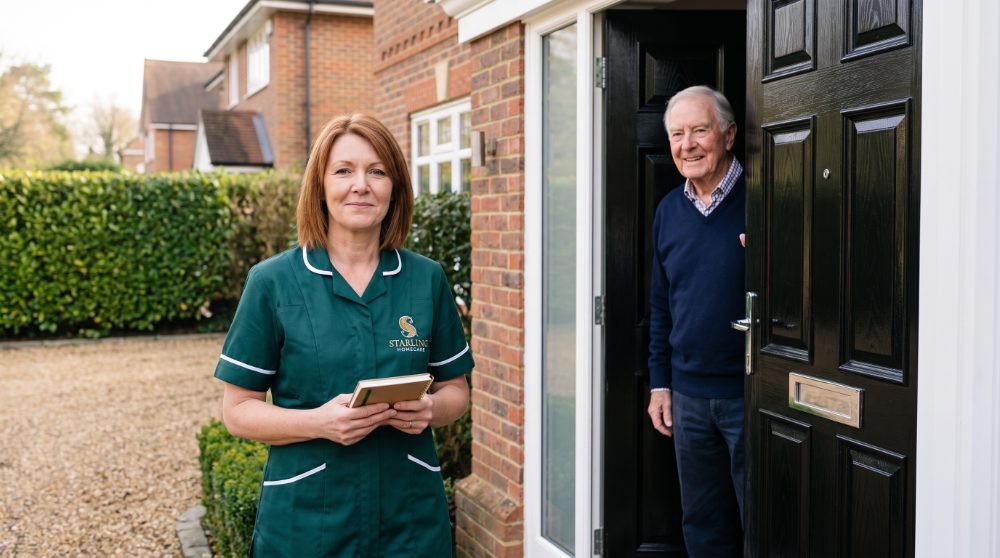
A 30 minute care visit is long enough for one or two focused jobs done properly, such as a medication prompt with breakfast, a simple lunch or help getting ready for bed. It is not long enough to do everything at once, so a full wash and dress, a cooked meal and a proper chat usually need a longer visit or a second one.
To talk anything through with someone local, our Tring team is on 01442 954 137.
Families often ask us whether half an hour is really enough. The honest answer is that it depends on what the visit is for. If you are still working out how many visits a day a parent needs, our guide on how often carers should visit is a useful place to start.
What can a 30 minute care visit cover?
Half an hour works best when the visit has one clear purpose. For example, a carer can usually manage one of these well, sometimes two together:
- A medication prompt, with breakfast and a hot drink
- Warming a simple lunch and leaving a drink within reach
- Help getting ready for bed, with curtains drawn and the house secure
- A quick check that someone is safe, well and eating
- Collecting a prescription or a few essentials on the way in
- Help with the toilet and a change of clothes
These are the kinds of tasks the NHS guide to homecare describes a paid carer helping with. The difference is that a short visit does them one at a time, rather than all together.
What a 30 minute visit cannot do well
Some jobs simply take longer if they are to be done with dignity. In our experience, half an hour is usually tight for:
- A shower, dressing, breakfast and tablets in the same visit
- Cooking a meal from scratch and then helping someone eat it
- Supporting someone who eats slowly or needs encouragement
- Getting out of the house, for example to a lunch club or the shops
- Unhurried conversation, which matters most to people living alone
Time also stretches when someone has dementia, hearing or sight loss, or finds talking difficult. Explaining each step, waiting for an answer and going at the person's pace takes longer, and rushing tends to cause distress.
What does NICE guidance say about short visits?
The National Institute for Health and Care Excellence (NICE) sets out the standard for home care for older people. Its home care guideline, NG21, says visits should be long enough for care workers to complete their work without being rushed, with enough travel time scheduled between visits.
It also says visits shorter than half an hour should only happen if three conditions are all met. First, the care worker is known to the person. Second, the visit is part of a wider package of support. Finally, it allows enough time for a specific, time limited task or a check that the person is safe and well.
NICE's quality statement on the length of home care visits puts it simply: older people should have visits of at least 30 minutes, apart from agreed short visits. So 30 minutes is a sensible floor, not a target.
How to make a 30 minute care visit count
A little planning means more of the half hour goes on care. In practice, these steps help:
- Agree the purpose. Write down the one or two things each visit is for, so the carer is never guessing.
- Prepare the ground. Keep easy meals stocked, clothes laid out and medicines in one place.
- Ask for familiar faces. A carer who knows the routine works more calmly, which NICE also recommends.
- Share the load. Family can cover jobs like the weekly shop, so visits stay focused.
- Read the notes. Visit records show whether tasks are being finished or keep running over.
When half an hour is no longer enough
Needs change, often gradually. Signs that visits need to be longer, or more frequent, include tasks being left unfinished, a parent seeming rushed or upset, meals going uneaten, or visits regularly running over.
Also, after a hospital stay or a new diagnosis, a pattern that worked last month may stop working. Then the options are a longer visit, an extra visit, overnight care or, for some families, live-in care. Our guide to choosing between live-in care and visiting care sets out how to weigh them up.
What does a 30 minute visit cost?
At Starling Homecare, visiting care is priced per visit, from £34 a visit, and our shortest visit is 30 minutes. Every family receives a written quote before care begins. Regulated home care is VAT exempt.
If the council may be paying, the first step is a needs assessment. If a parent is eligible, the council can arrange homecare and may contribute to the cost, depending on a separate financial assessment.
Frequently asked questions
Are 15 minute care visits allowed?
NICE guidance says visits under half an hour should only be used for specific tasks or safety checks, by a worker the person knows, within a wider package of support. Starling Homecare does not offer 15 minute visits, because in our experience they do not allow care to be done properly or with dignity.
Can someone have a shower in a 30 minute visit?
Sometimes, if the shower is the main task and the person is fairly steady. However, when dressing and breakfast follow, a longer visit of 45 minutes or an hour may be needed.
Can visit lengths vary through the day?
Yes, and they often should. A longer morning visit for washing and dressing can sit alongside a short lunchtime check and a 30 minute bedtime visit.
Does travel time come out of the 30 minutes?
It should not. NICE guidance says travel time between visits should be scheduled, so the time with the person is not squeezed. It is a fair question to ask any provider you are considering.
Starling Homecare is a family run home care provider registered with the Care Quality Commission, providing visiting care in St Albans, Harpenden, Hemel Hempstead, Welwyn Hatfield, Potters Bar and Cheshunt, and live-in care across Hertfordshire, including Tring. We plan each visit around what it needs to achieve, from 30 minutes upwards, and visits can change as needs change. Our visiting care service page explains how visits work, and our live-in care in Tring page has our local details.
Figures and guidance checked on 2 November 2026 against NICE guideline NG21, NICE quality standard QS123 and Starling Homecare's current visiting care rates.
Arranging Care Is Simple
Starting care can feel like a big step. We keep it calm and straightforward, and we are here to guide you from your very first call.
1. Talk to us
Get in touch by phone or request a callback. We will listen, answer your questions and help you understand the options, so you can decide what feels right in your own time.
2. A home visit and initial consultation
We arrange a visit to understand your routines, your home and what matters most to you. Together we agree an initial consultation and shape the support that feels right.
3. Your care begins
A small, familiar team starts your care, arriving at the agreed times and staying involved as your needs change. We remain your trusted adviser throughout.
Whenever you are ready, we are here to help.