
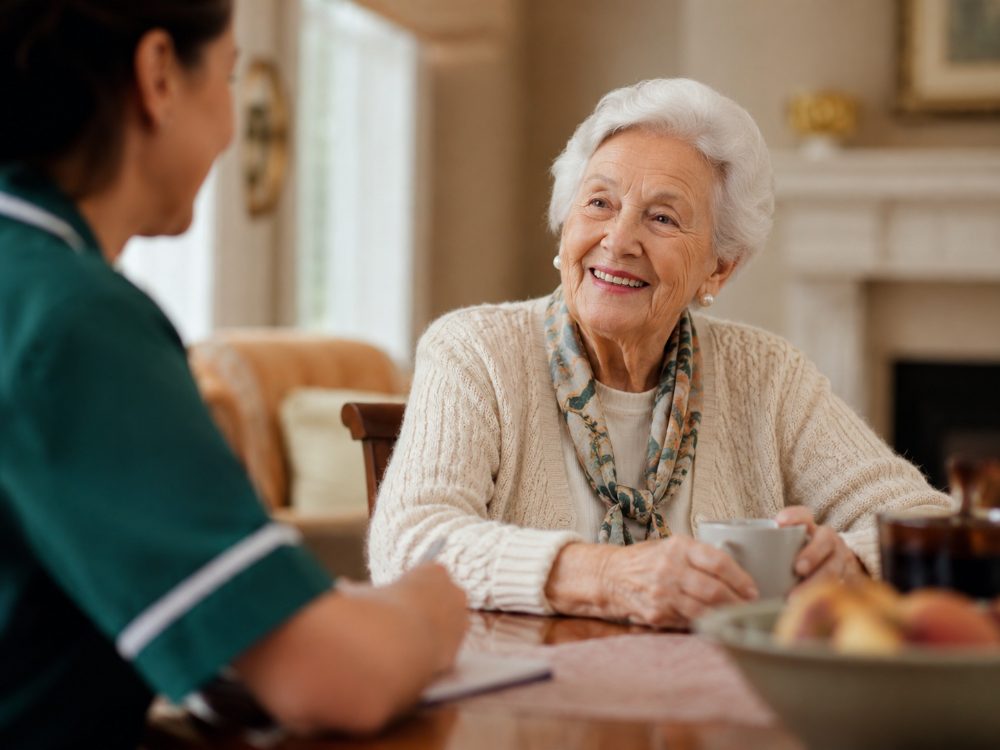
Care at home during chemotherapy works best when it follows the shape of each treatment cycle, with more help on the days after treatment and lighter support as energy returns. It usually means practical help with meals, washing, household jobs and getting to appointments, done in a way that keeps the risk of infection low.
To talk anything through with someone local, our Welwyn Hatfield team is on 01707 714 000.
Why the cycle matters more than the diagnosis
The NHS explains that chemotherapy is usually given in cycles over several months, with a break of a few days or weeks after each one so the body can recover. Some treatment happens in hospital, and some is taken as tablets at home.
That rhythm is the most useful thing to plan around. There are often days when someone manages well and days when they need far more help. Once a family has seen one cycle through, the pattern often becomes clearer.
Our earlier guide, caring for someone with cancer at home, covers the common side effects in more detail. This article focuses on organising the help itself.
How can care at home during chemotherapy follow each cycle?
A simple way to think about it is in three parts.
Before treatment day
This is the time to stock the cupboards, batch cook, and make sure prescriptions and the thermometer are ready. A carer can help with shopping lists, laundry and getting the house straight, so nothing needs doing on the harder days.
Treatment day
For East and North Hertfordshire NHS Trust patients, chemotherapy is given at the Lister Macmillan Cancer Centre, just inside the main entrance at Lister Hospital in Stevenage. One friend or relative may go along, and people can bring their own food. Check which unit your appointment letter names.
The days after
This is usually when help counts most. For example, a morning visit for washing and dressing, a light lunch, and an evening check can make the difference between coping and struggling. Then, as energy returns, visits can be shortened again.
Keeping infection risk low in the home
The NHS notes that chemotherapy can weaken the immune system, which makes infections more likely. So everyday hygiene matters more than usual, for family and carers alike.
Macmillan's guidance on infection during cancer treatment includes:
- washing hands with soap and water often, especially before preparing food
- storing and cooking food properly, and keeping raw and cooked food apart
- avoiding unpasteurised dairy
- keeping away from people with colds, flu, diarrhoea or vomiting
- leaving litter trays and animal waste to someone else
In practice, this also means a carer who feels unwell should not visit. A well run agency plans for that, so a replacement visit is arranged rather than left uncovered.
Meals, tiredness and the small jobs
Feeling sick is a common side effect, and appetite can suffer. Cancer Research UK suggests eating small amounts every 2 or 3 hours instead of three large meals, and says the team can refer you to the hospital dietitian. A carer can prepare small, appealing meals and keep drinks within reach.
Tiredness is also one of the most common side effects. However, it is often the small jobs that drain energy: changing the bed, putting a wash on, emptying bins. Handing those over lets the person save their energy for the things they care about.
The alert card and who to call
At the Lister, people having cancer treatment are given an Alert Card with a 24-hour number. The acute oncology advice line is answered by Lister nurses on weekdays from 9am to 5pm and by Mount Vernon Cancer Centre at other times, on the same number.
The NHS says to call the care team straight away for a high temperature, with signs such as feeling hot, cold, sweaty or shivery, or for other signs of infection. Use the temperature your own team gives you as the point to call. Before ringing, have the hospital number and a temperature reading ready.
Keep the card somewhere everyone can find it, including visiting carers. If you cannot find the number, the NHS advises calling NHS 111.
Where carers fit alongside the chemotherapy team
Our carers support daily life; the chemotherapy team manages the treatment. That means carers can prompt tablets as the pharmacy label directs and notice changes.
This is how our cancer care at home is designed: practical, steady help with clear lines of escalation.
Frequently asked questions
Can we arrange care only for the week after each treatment?
Often, yes. Visits can be weighted towards the days around treatment, with fewer in between. Sharing the treatment calendar lets visits be planned a cycle ahead.
Can the alert card line help with appointments or repeat prescriptions?
No. The Lister leaflet says the line is for symptoms and side effects only. For appointments, scans, blood results or medicine supplies, it says to contact your cancer nurse specialist or the hospital switchboard.
Is it safe for grandchildren to visit during chemotherapy?
Ask the treatment team, because advice depends on the treatment. Macmillan's general guidance is to stay away from anyone with a sore throat, cold, flu, diarrhoea or vomiting.
Where else can families get support?
The Macmillan Support Line is free on 0808 808 00 00, 8am to 8pm, seven days a week. Our guide to cancer support in Hertfordshire also sets out the local teams around a person at home.
How Starling Homecare can help
Our Welwyn Hatfield carers visit homes across Welwyn Garden City, Hatfield, Brookmans Park and Welham Green, and we can plan care at home during chemotherapy around each cycle as it comes. Starling Homecare is family run and registered with the Care Quality Commission. Our page on home care in Welwyn Hatfield explains how the local team works.
Figures and guidance checked on 2 November 2026 against NHS chemotherapy side effects, Macmillan Cancer Support, Cancer Research UK and East and North Hertfordshire NHS Trust.
Arranging Care Is Simple
Starting care can feel like a big step. We keep it calm and straightforward, and we are here to guide you from your very first call.
1. Talk to us
Get in touch by phone or request a callback. We will listen, answer your questions and help you understand the options, so you can decide what feels right in your own time.
2. A home visit and initial consultation
We arrange a visit to understand your routines, your home and what matters most to you. Together we agree an initial consultation and shape the support that feels right.
3. Your care begins
A small, familiar team starts your care, arriving at the agreed times and staying involved as your needs change. We remain your trusted adviser throughout.
Whenever you are ready, we are here to help.