
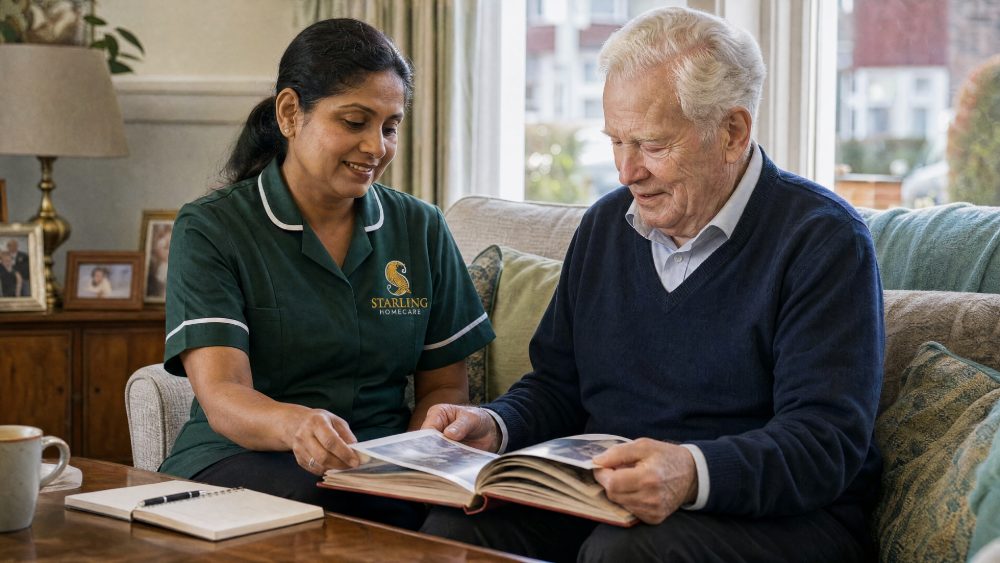
A memory assessment in St Albans usually begins with a GP appointment, not a specialist clinic. The GP looks for other causes first and, if those are ruled out, may refer your parent on to a specialist memory service for a fuller assessment. Knowing that path in advance makes the first conversation easier for everyone.
Why dementia diagnosis is in the news this month
On 8 October 2026 the government announced a £48 million industry partnership to speed up dementia research. It includes £33 million of government funding, and is run through the BARBARA Alliance, which links health data, research and clinical trials. The same announcement noted a separate £80 million UKRI Dementia Challenge, which aims for 92% of people to receive a diagnosis within 18 weeks of referral, up from around 60% today.
Alzheimer's Society responded on 9 October, calling for ongoing funding, earlier diagnosis and wider access to research. The latest NHS England Digital figures show that on 30 June 2026, 66.2% of people aged 65 or over estimated to have dementia had a recorded diagnosis. In other words, about a third of people aged 65 or over thought to have dementia do not yet have a recorded diagnosis.
For families, the national picture matters less than the next step. Here is what that step usually looks like.
How does a memory assessment in St Albans start?
The NHS guidance on getting a dementia diagnosis says anyone worried about their memory should see a GP. If the worry is about a parent, you can encourage them to book and offer to go with them. The NHS suggests that, if possible, someone who knows them well should be in the room.
The GP will ask about symptoms, general health and everyday tasks such as cooking, shopping, personal care and paying bills. They may arrange blood and urine tests, and your parent will be asked to do a memory or thinking test. The NHS is clear that memory problems do not necessarily mean dementia, as depression, anxiety, infection, an underactive thyroid or some medicines can cause similar changes.
If other causes are ruled out, the GP may refer your parent to a specialist, who may work in a memory clinic. Hertfordshire Partnership University NHS Foundation Trust lists its Early Memory Diagnosis and Support Service (EMDASS) for St Albans, with the North West team based at The Marlowes Health and Wellbeing Centre in Hemel Hempstead. At the specialist stage, the NHS says there may be more detailed memory tests and a CT or MRI brain scan.
Preparing for the GP and the memory assessment
A little preparation helps your parent feel less put on the spot. Writing things down beforehand can make the appointment easier for everyone.
- Keep a short diary of changes. Note what you have noticed, when it started and how often it happens, such as missed appointments or repeated questions.
- List current medicines. Include anything bought over the counter, as the GP will want to rule out side effects.
- Write your questions down. The NHS suggests noting questions and any medical terms used, and says you can ask to come back if more questions occur later.
- Agree roles. Decide who will go with your parent, and talk with them gently about what they are happy for you to share.
Memory Support Hertfordshire runs a monthly Zoom drop-in called Preparing for your Herts NHS Memory Clinic Assessment. It takes place on the second Tuesday of each month, 1:30pm to 2:30pm, for anyone attending an assessment or supporting someone who is. Its phone line, 0300 131 3946, is open Monday to Friday, 9:30am to 4pm.
Support for carers while you wait
Waiting for a memory assessment in St Albans can feel like a long pause, especially when you are the one noticing the changes. It helps to talk to people who have been there.
Alzheimer's Society lists a Peer Support group for St Albans carers of people with dementia. It meets on the first Monday of each month, 2:30pm to 3:30pm, at the community centre on The Ridgeway in Marshalswick. The listing gives 01279 427522 as the contact number, so please check with them before attending.
You might also find our guide to dementia support in St Albans useful for other local groups and services.
What practical help at home looks like, before and after
Practical support at home does not need to wait for a diagnosis. Often the first need is simple: a familiar face, a steady routine and someone keeping an eye on things between family visits.
Our carers can help with company and conversation, meals, light housework and keeping the week organised. We can help your parent get to GP and memory clinic appointments, and prompt medication in line with the care plan. Anything clinical stays with the GP, NHS 111 or the hospital team.
We try to keep the same small group of carers visiting, so your parent sees faces they recognise. The care plan is agreed with your family and adjusted as needs change. If a diagnosis does follow, our article on what happens after a dementia diagnosis in Hertfordshire picks up from there, and our dementia and Alzheimer's care page explains how longer-term support works.
Our St Albans team
Our office is in St Albans, and our local team arranges care across the city and nearby villages such as Sandridge. You can call us on 01727 324 127 or email [email protected] to talk things through. More about the area is on our private home care in St Albans page.
Visiting care starts from £34 an hour, and live-in care from £255 a day. These are starting rates, and a price is agreed after we have assessed what your parent needs.
Common questions about a memory assessment in St Albans
Do we need a GP referral for a memory assessment?
The NHS route starts with the GP, who checks for other causes and may then refer to a specialist. A specialist may work within a memory clinic alongside other dementia professionals. Your GP surgery is the right first contact.
Can I go to the appointment with my mum or dad?
Yes, and the NHS encourages it where possible. Someone who knows your parent well can describe the changes they have seen. You can also help remember what was said afterwards.
Does forgetfulness always mean dementia?
No. The NHS lists other possible causes, including depression, anxiety, infection, an underactive thyroid and the side effects of some medicines. That is why the GP checks these first.
Is there help for families before a diagnosis?
Yes. Memory Support Hertfordshire offers information and advice, and runs a monthly online session about preparing for a memory clinic assessment. Home care can also start before any diagnosis, focusing on routine, company and getting to appointments.
Noticing changes in a parent's memory is unsettling, and it is natural to want answers quickly. Taking it one step at a time, starting with the GP, usually gives the clearest picture. Support is available locally at every stage, for your parent and for you.
Details checked against GOV.UK, NHS England Digital, the NHS website, Hertfordshire Partnership University NHS Foundation Trust, Memory Support Hertfordshire and Alzheimer's Society on 12 October 2026. Our prices are starting rates, checked on the same date.
Arranging Care Is Simple
Starting care can feel like a big step. We keep it calm and straightforward, and we are here to guide you from your very first call.
1. Talk to us
Get in touch by phone or request a callback. We will listen, answer your questions and help you understand the options, so you can decide what feels right in your own time.
2. A home visit and initial consultation
We arrange a visit to understand your routines, your home and what matters most to you. Together we agree an initial consultation and shape the support that feels right.
3. Your care begins
A small, familiar team starts your care, arriving at the agreed times and staying involved as your needs change. We remain your trusted adviser throughout.
Whenever you are ready, we are here to help.