Yes, end of life care at home in Tring is usually possible, with the right team around you. Most people, given the choice, would prefer to spend their final weeks in their own home, and a coordinated team can make that happen.
When someone you love is reaching the end of their life, the question of how and where they will be cared for can feel overwhelming. Many families tell us they did not realise home was an option, or were unsure who to turn to first.
It helps to understand how the support fits together. End of life care at home is rarely one service. It is a small team, working in step, around the person and the family.
Can someone receive end of life care at home in Tring?
For most people, yes. To begin with, more people now stay, and die, in their own community than ever before. Marie Curie reports that 28% of deaths in England and Wales now happen at home, and national health policy is steadily moving more care out of hospital.
Honesty matters here too. Marie Curie’s Better End of Life research also found that gaps in round the clock community care can make this harder, particularly out of hours.
That is why planning early, and knowing who to call, makes such a difference. A home death that goes well is almost always one the family planned for.
Who provides this care, and who leads it?
Several people share the work. Your GP and the district nursing team lead the medical and nursing care, including pain relief and symptom control.
In and around Tring, Rennie Grove Peace Hospice Care provides specialist palliative and hospice at home support across Hertfordshire, free of charge, from Rennie House on Icknield Way. They have cared for local families this way for more than forty years.
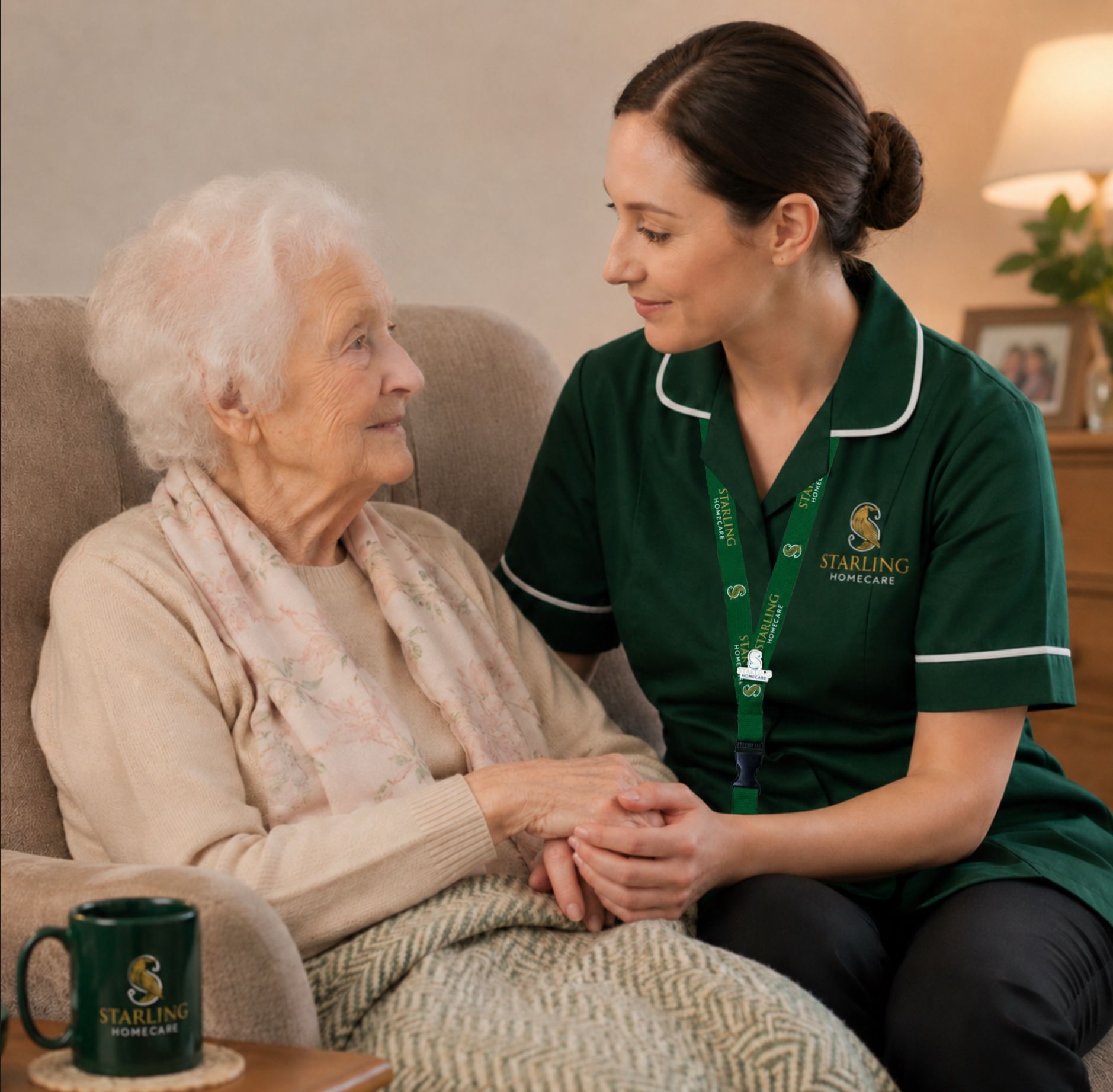
Home care providers like us hold the daily rhythm together. We provide the personal care, the companionship and the practical help that makes staying at home manageable, working alongside the nurses rather than apart from them. You can read more about our end of life and palliative care at home.
What does this kind of care actually involve?
Much of it is gentle and human. For example, it can mean help with washing and dressing, with eating and drinking when that becomes harder, and with staying comfortable and clean.
It is also presence. Someone calm in the house, so the person is not alone and the family can rest, sleep, or simply be a daughter or a husband again rather than only a carer.
In our experience, families remember the steadiness most. The same faces, who know the person and the household, and who notice a change and pass it to the nurses quickly.
How is it arranged and funded?
Start with the GP or district nurse. First of all, they can put nursing care in place, refer to the hospice, and coordinate the medical side.
Hospice care from Rennie Grove is free, and in addition, NHS care from your GP and district nurses is free. Some people qualify for NHS continuing healthcare or fast track funding at the end of life, which can cover care costs in full. It is worth asking about early, alongside understanding what end of life care at home involves.
Some families also arrange privately funded home care to add hours, continuity or overnight support. A care provider should explain those costs clearly and honestly.
Support for the family, not only the patient
End of life care holds the whole household, not only the person who is unwell. Family carers need rest, and it is right to put support around yourself too.
A steady carer in the home gives families room to breathe, and to be present in the way they want to be. Importantly, that support continues through some of the hardest days.
Of course, every situation is different, and there is no single right way to do this. The aim is comfort, dignity and choice, for as long as they are possible.
Common Questions About End of Life Care at Home in Tring
Can you die at home with care in Tring?
Yes. With support from your GP, the district nursing team and, where needed, a hospice such as Rennie Grove Peace Hospice Care, many people are cared for and die at home. Home care adds the daily personal care and companionship that makes staying at home possible.
What is the difference between palliative care and end of life care?
Palliative care supports anyone living with a serious illness, focusing on comfort and quality of life, and it can last months or years. End of life care is the part of palliative care for the final months, weeks and days. The two overlap, and the same teams are often involved.
Who pays for end of life care at home?
Hospice care is free, and NHS care from your GP and district nurses is free. Some people qualify for NHS continuing healthcare or fast track funding at the end of life. Privately funded home care can add extra hours and continuity, and a provider should set out those costs plainly.
In the end, choosing care at home at the end of life is a deeply personal decision, and you do not have to work it out alone. The teams around you in Tring do this every day, with great care.
If you would like to talk things through, our home care team in Tring is available on 01442 954 137 or at [email protected].
Arranging Care Is Simple
Starting care can feel like a big step. We keep it calm and straightforward, and we are here to guide you from your very first call.
1. Talk to us
Get in touch by phone or request a callback. We will listen, answer your questions and help you understand the options, so you can decide what feels right in your own time.
2. A home visit and initial consultation
We arrange a visit to understand your routines, your home and what matters most to you. Together we agree an initial consultation and shape the support that feels right.
3. Your care begins
A small, familiar team starts your care, arriving at the agreed times and staying involved as your needs change. We remain your trusted adviser throughout.
Whenever you are ready, we are here to help.